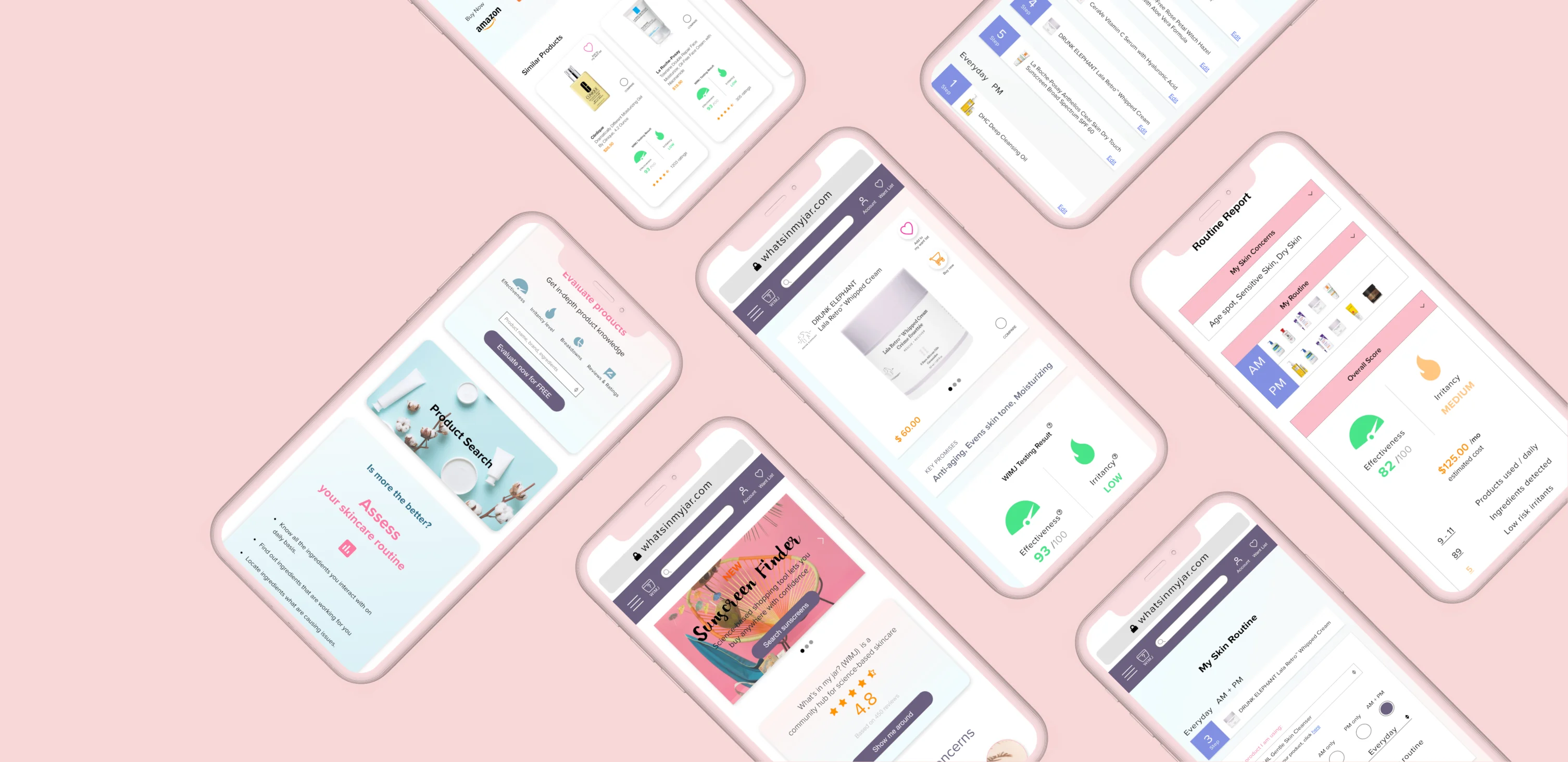
Designing and shipping an AI-powered SaaS platform as Byrst's sole Product Designer.
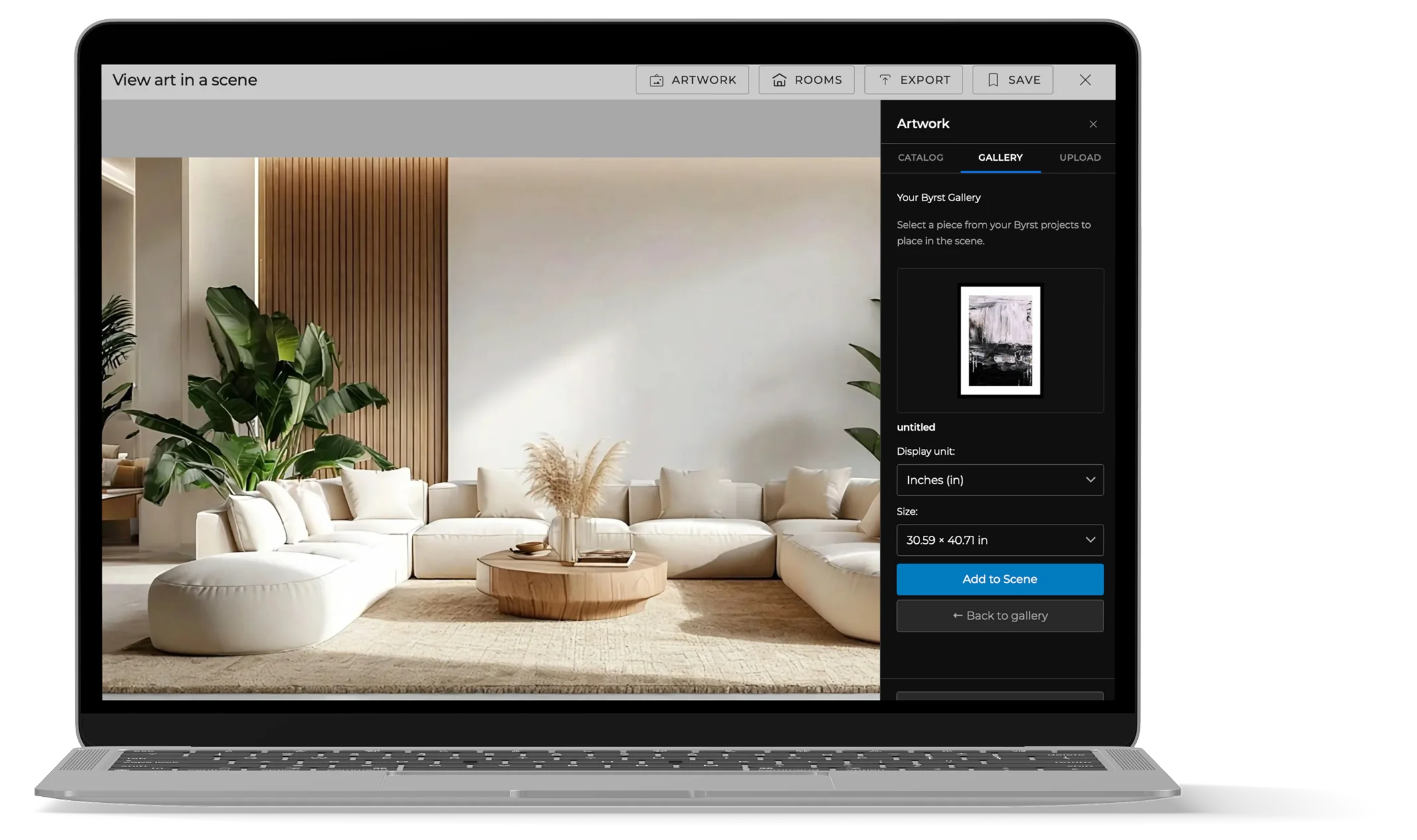
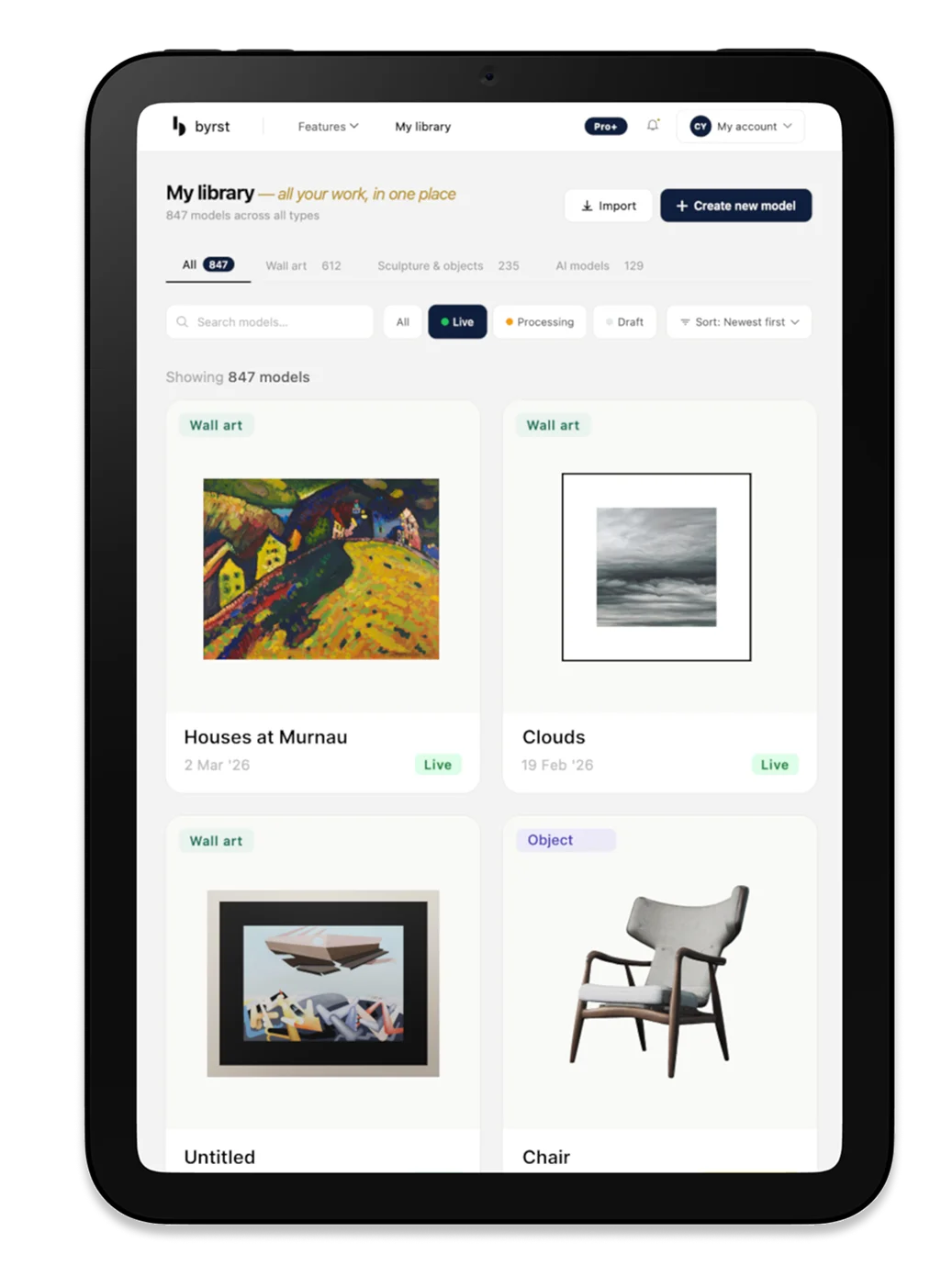
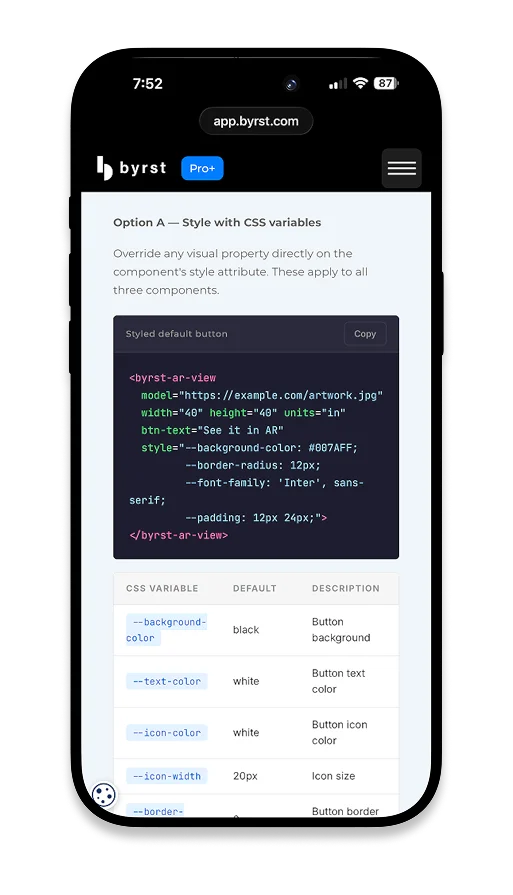
Byrst is an AI-powered SaaS platform that transforms product photos into interactive 3D and AR experiences.
Over four years, I shaped the product from early concept through launch, partnering with founders and engineers across product strategy, UX/UI, implementation, and delivery.
My scope spanned the SaaS platform, mobile experience, marketing site, and design system. I implemented interfaces in Webflow, used AI-augmented workflows to accelerate delivery, and created branding, product marketing, and executive communication materials.
Every project follows a different path, but my mix stays consistent: understand the problem, align business and user needs, collaborate closely with engineering, and thoughtfully craft solutions. AI accelerates each stage of my workflow, helping me move faster while maintaining quality.
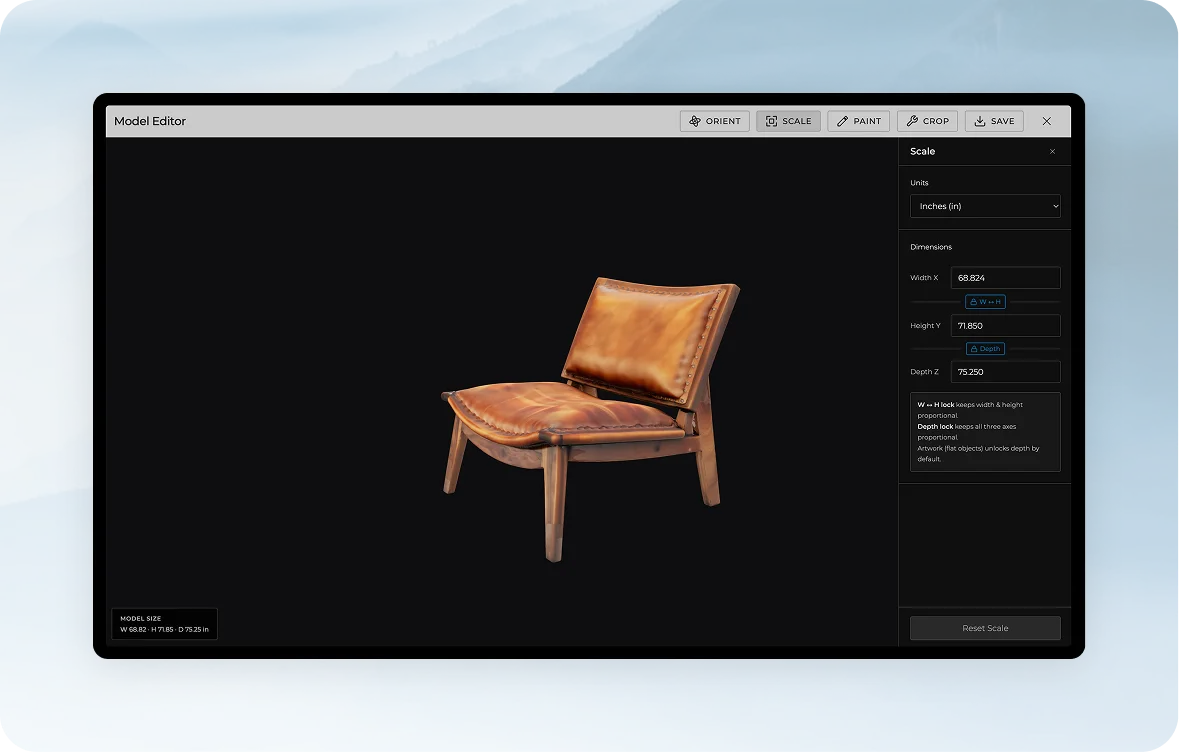
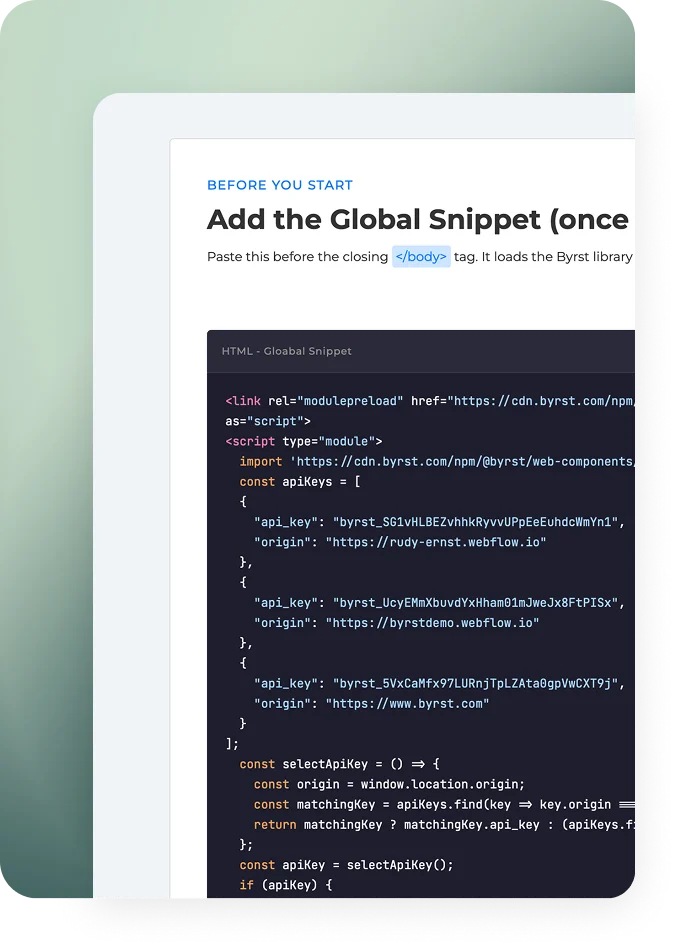
I owned the design across the product experience, from the web app to the marketing site and the flows connecting them. When front-end delivery became the bottleneck, I introduced Webflow to the team and took the interface build in-house, working alongside engineers who built the systems underneath it. The screens below span four years and five shipped features: Wall art, Sculpture & objects, AI model, Scenes, and Web integration, plus the onboarding, team administration, and billing that hold them together.
Creating, managing, and sharing 3D models and content, plus the library and permissions a team needs around them.
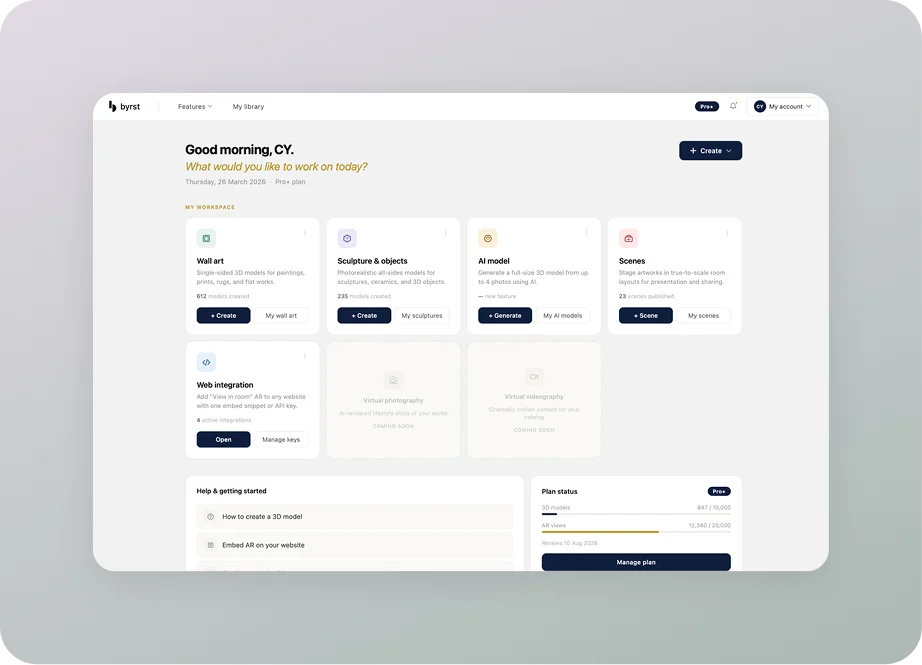
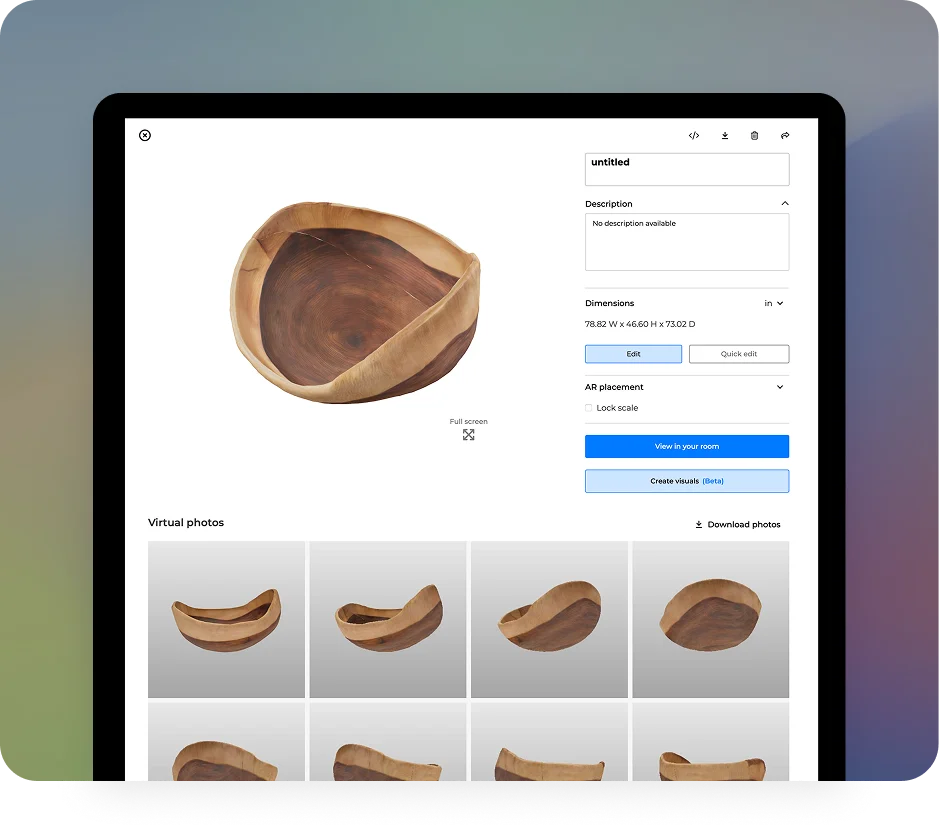
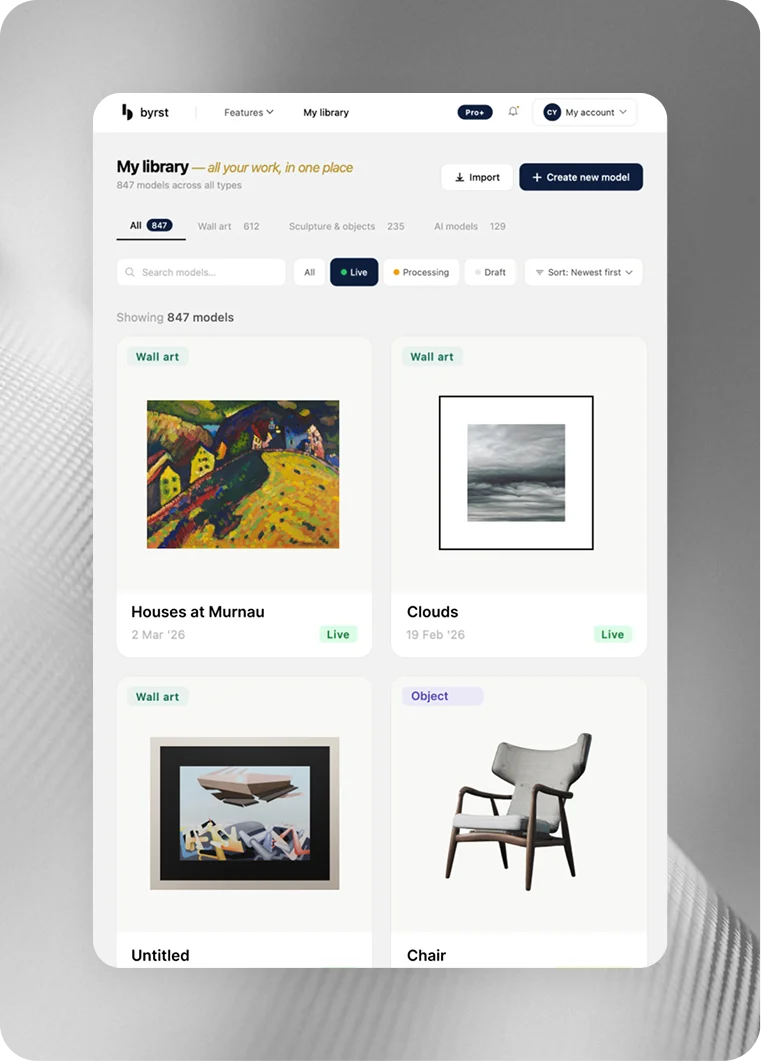
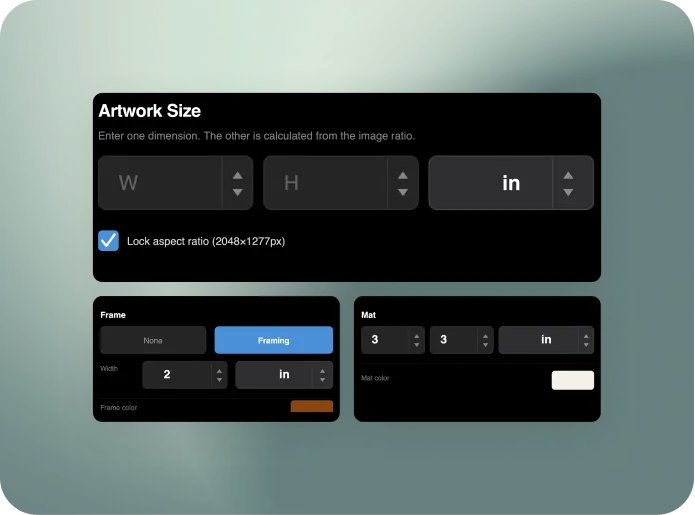
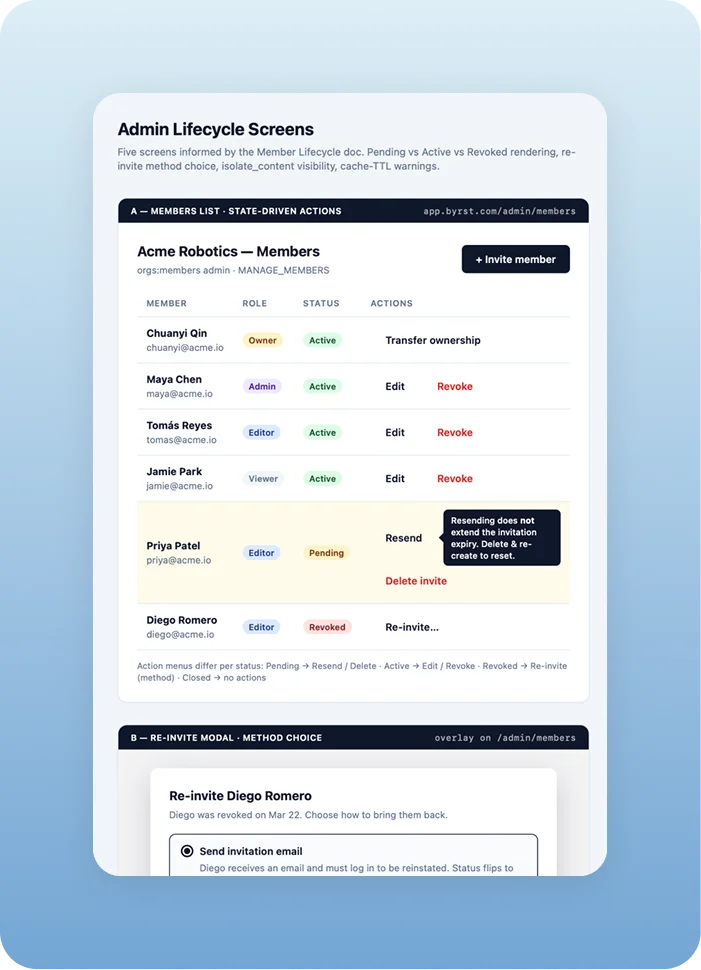
Where customers meet Byrst: the marketing site, plan selection, membership, model editing, and the embed that puts AR directly on their own website.
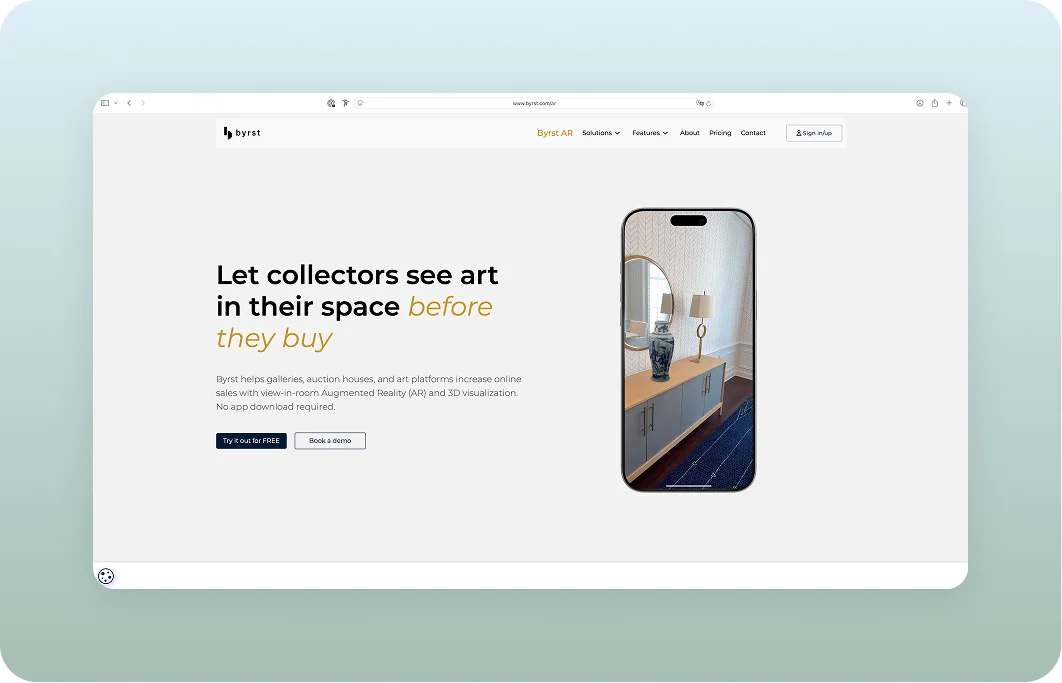
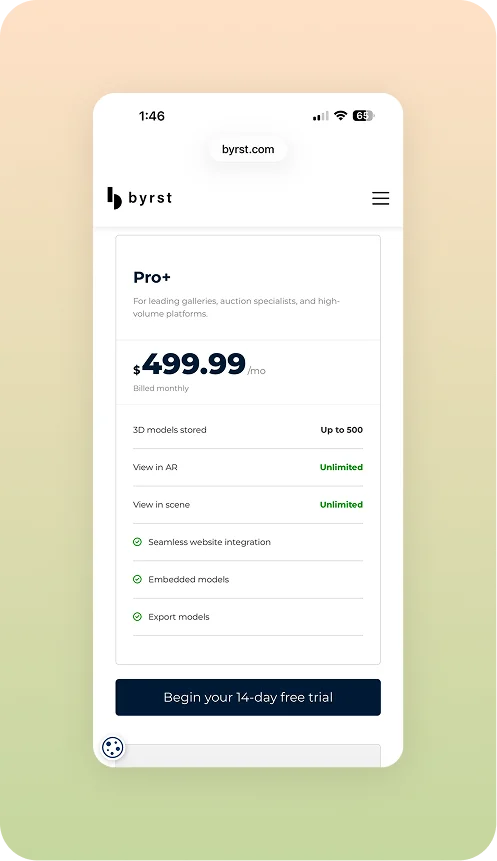
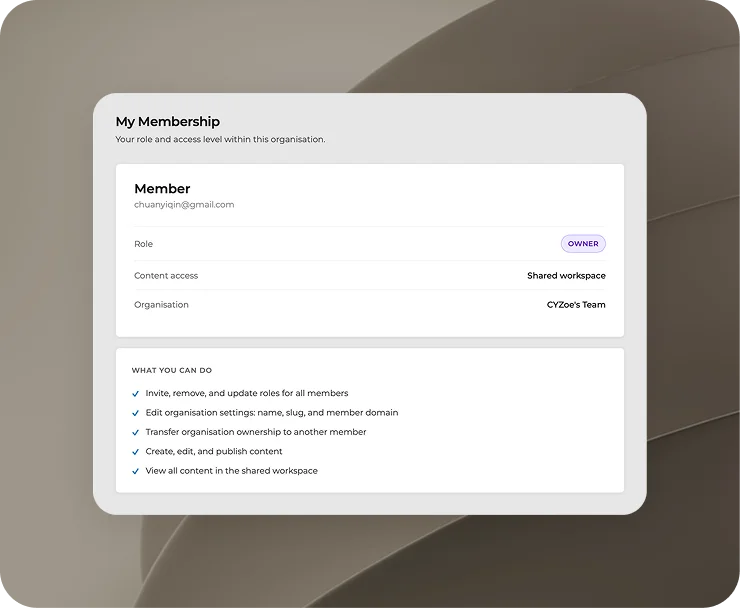
I design the journey first. The screens follow from it.
From the first marketing page to daily use, I designed each surface as part of one experience.
A strong foundation makes products easier to scale. I established reusable components, responsive patterns, and production-ready workflows that kept the SaaS platform, website, and mobile experiences consistent as the product evolved.
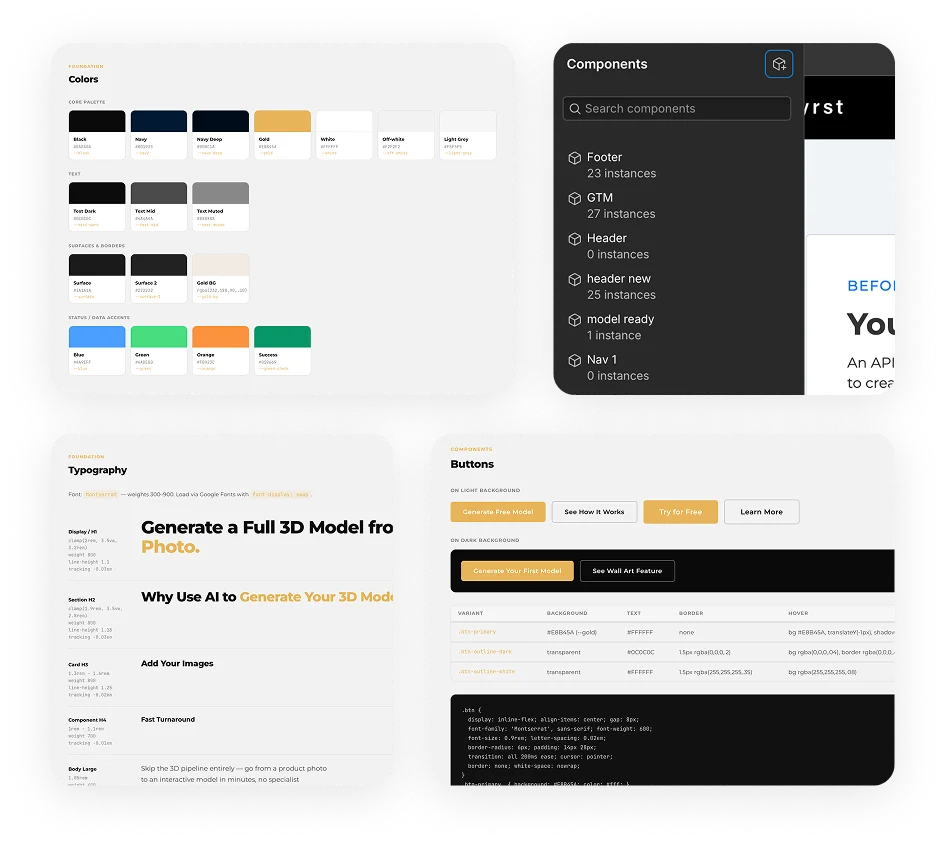
Reusable components and standards that cut repeat work and held the product together as it grew.
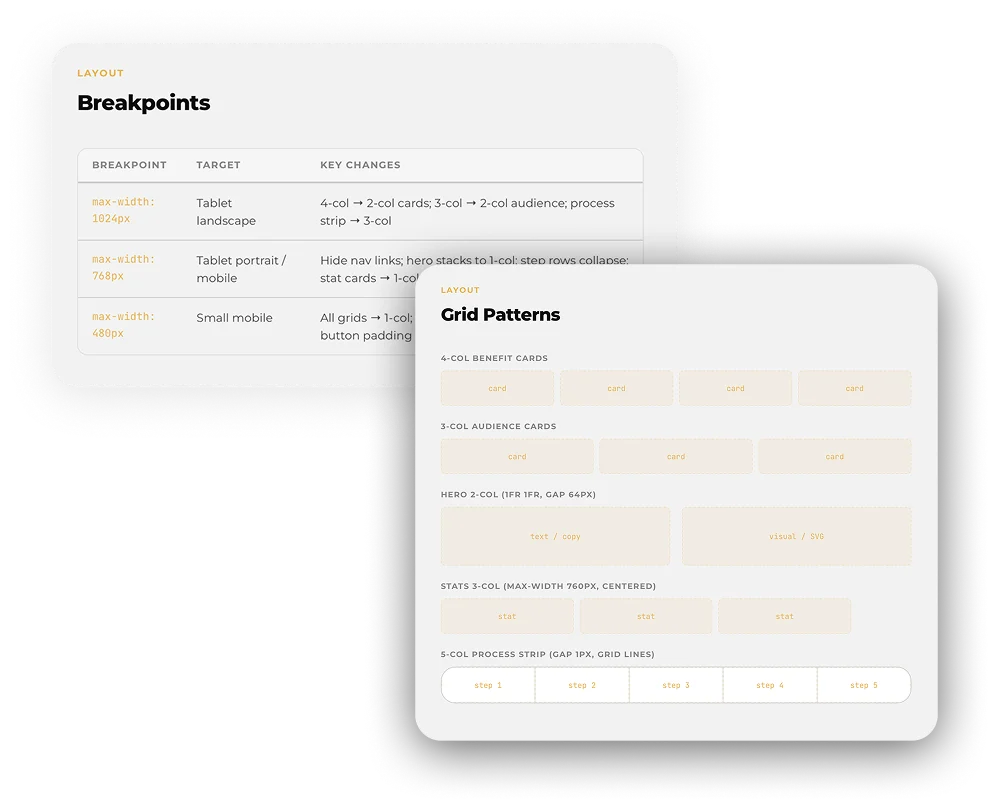
Breakpoints and grid patterns that let one layout hold up from desktop down to small mobile.
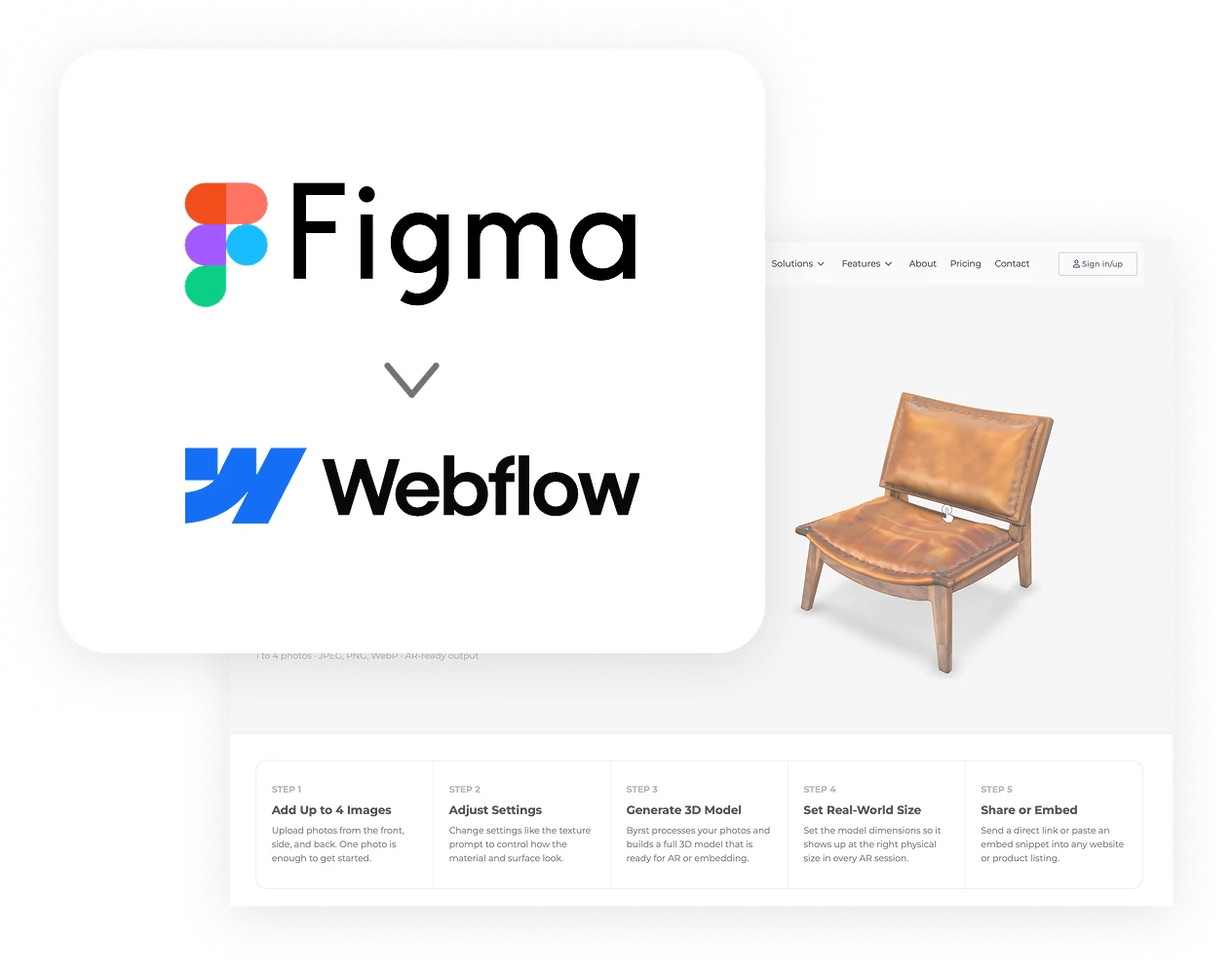
Designed the interfaces, then worked with engineers to build and ship the customer-facing ones in Webflow.
A design system wasn't just about consistency. It created a shared foundation that helped the product evolve faster.
Three calls shaped how Byrst scaled. Each one closed off something else.
AI and 3D workflows are technical by nature. I designed for people with no 3D background, which meant simpler flows and plainer language.
Front-end delivery had become the bottleneck. Moving production into Webflow traded some engineering flexibility for the ability to ship and iterate in days instead of weeks.
Priorities shifted constantly, so I invested in reusable patterns over finishing any single screen, and chose deliberately which screens earned that finish.
Byrst reinforced my habits: weighing user needs, business goals, and technical limits together, and getting the work shipped.